

Now Reading: Peru must end excessive force in protests, Amnesty warns
-
01
Peru must end excessive force in protests, Amnesty warns
Peru must end excessive force in protests, Amnesty warns
LIMA — Human rights group Amnesty International has issued a sharp reprimand to Peruvian authorities after the fatal shooting of 32-year-old Eduardo Mauricio Ruiz Sanz during social mobilisations in Lima, calling for “thorough and impartial investigations” and an end to what it described as a pattern of disproportionate force by security forces.
According to the Public Prosecutor’s Office of Peru, Ruiz Sanz died of a gunshot wound during protests held in the capital. Amnesty said the death occurred amid a “heavily militarised” clamp-down on demonstrators and warned that dozens of others — including bystanders, protesters and police officers — were injured during the unrest.
In its statement, Amnesty explicitly rejected attacks against the press. The group said the National Association of Journalists of Peru (ANP) logged 11 attacks on journalists during the demonstrations, six of them reportedly injured by police pellets. Amnesty said the pattern may point to “unlawful use of state force against the press.”
Amnesty’s monitors reported that police fired pellets, deployed tear gas and applied violent physical force “unnecessarily and disproportionately” during the protests, violating international human rights standards. The group emphasised that, while some protesters clashed with officers, the broader right to peaceful assembly must still be protected.
“A protest does not lose its peaceful nature because of isolated incidents or violent behaviour by individuals,” Amnesty said. The organisation called on state authorities “to adopt response protocols that prioritise prevention, mediation and the protection of rights.”
The group also urged Peru’s government to listen to protesters’ demands rather than delegitimise them through “stigmatizing rhetoric.” In light of the broader social and political crisis facing the country, Amnesty said the right to peaceful protest must be guaranteed “without any limitations, and repression of social demonstrations must stop.”
While the Peruvian authorities have not publicly provided a detailed breakdown of the use of force or injuries, international observers say the country’s recent mobilisations reflect growing discontent over corruption, inequality and the marginalisation of Indigenous communities. Amnesty’s earlier 2023 report documented dozens of deaths during protests in 2022-23 and flagged concerns about racially-biased policing.
The current condemnation comes amid a full deployment of security forces in Lima and other regions. Observers say the response has escalated the stakes of the protests and deepened mistrust between citizens and state institutions. Analysts warn that unless authorities change tactics, the risk of further violence remains high.
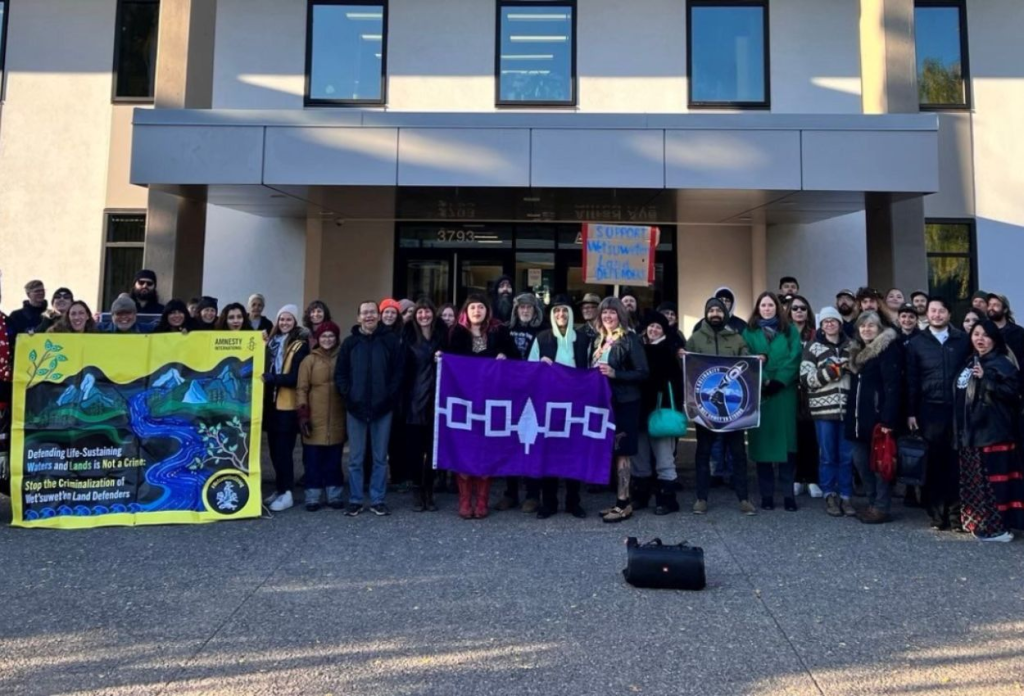
Amnesty said it is deploying teams of observers across Peru to monitor the evolving human rights situation, and continues to call for investigations into abuses and accountability for those responsible. “The state must stop criminalizing demonstrators, journalists and land-defenders for exercising their rights,” the organisation warned.
As Peru grapples with its deepest political unrest in years, human rights groups say the government must bridge the gap between its stated commitment to rights and the reality on the streets. Without meaningful reform of policing, protest-management and oversight mechanisms, the cycle of violence, injury and loss will likely persist.