

Now Reading: Dominican Republic’s new penal code under fire from rights groups
-
01
Dominican Republic’s new penal code under fire from rights groups
Dominican Republic’s new penal code under fire from rights groups
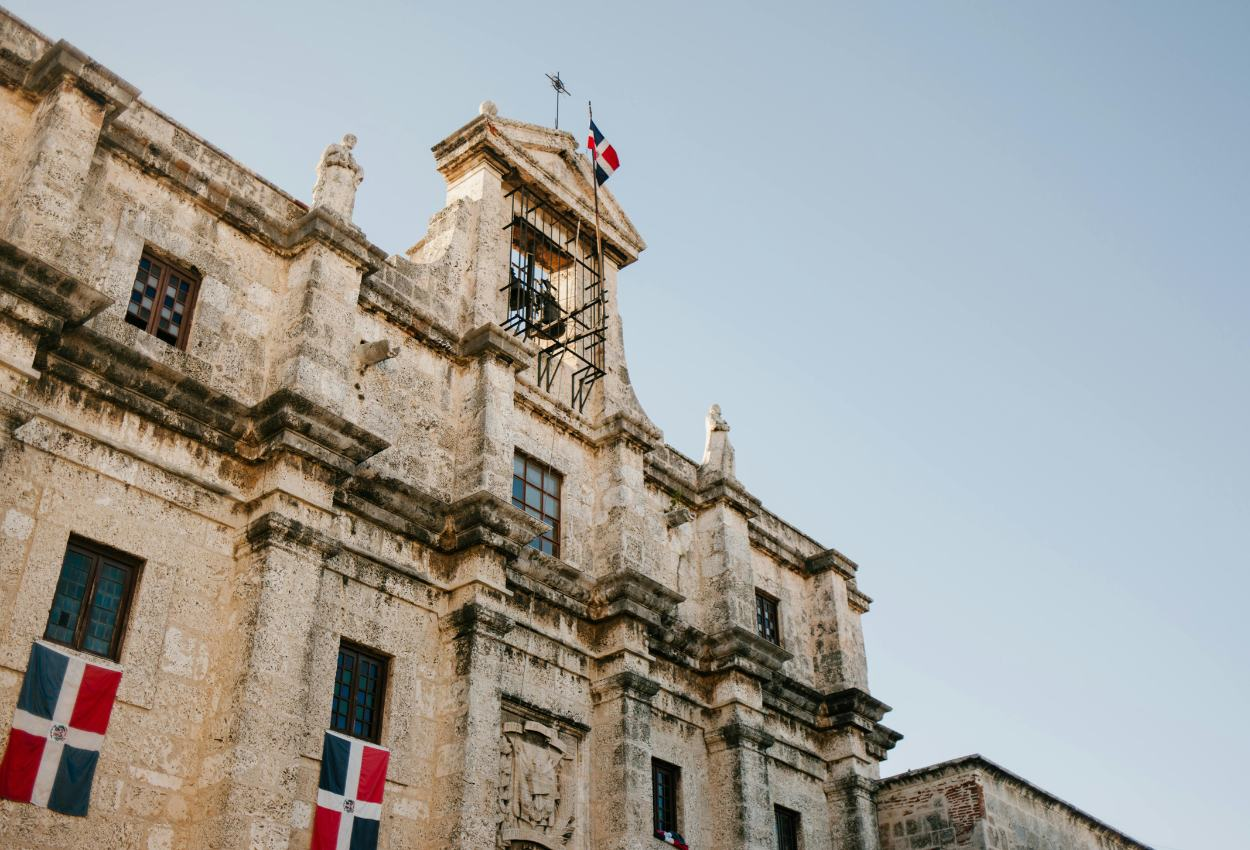
The Dominican Republic’s newly approved penal code fails to protect the rights of women and girls, Amnesty International said Saturday, warning that its provisions perpetuate a total ban on abortion and other forms of gender discrimination.
President Luis Abinader signed the legislation on August 3, ending years of debate over reforming criminal laws that date back to the 19th century. But campaigners say lawmakers ignored long-standing calls from civil society and public figures to align the code with human rights standards.
“President Abinader is consolidating a legacy of institutional violence and gender injustice,” said Astrid Valencia, Amnesty’s Americas research director. “Dominican society deserves a code that will guarantee human rights, not one that puts the lives, health and dignity of women and girls at risk.”
Abortion ban and maternal mortality
The Caribbean nation has one of the region’s highest maternal mortality rates, with an estimated 10 percent of such deaths linked to unsafe abortions, according to health data cited by Amnesty.
Despite this, the new code maintains the complete criminalization of abortion – even in cases of rape, incest or where the pregnant woman’s life is in danger – a stance that rights advocates say violates international standards.
Other rights concerns
Local human rights groups also criticized the law for other provisions they say worsen discrimination and violence against women. These include:
-
Setting time limits for prosecuting sexual violence cases against adult women.
-
Using a regressive legal definition of sexual violence in intimate relationships that falls short of international norms.
-
Allowing physical punishment of children.
-
Failing to criminalize discrimination based on sexual orientation and gender identity.
“It is no coincidence that abortion and the correct classification and punishment of sexual violence are among the issues still not addressed in this penal code,” said Johanna Cilano Pelaez, Amnesty’s regional researcher for the Caribbean. “These omissions reflect a deeply patriarchal and sexist perspective that seeks to control women’s bodies, decisions and lives.”
Amnesty’s call for reform
The rights group has long accused Dominican authorities of policies that endanger pregnant women, including immigration rules that limit access to healthcare. Amnesty is now urging the government and National Congress to amend the law before it takes effect in 2026.
The reforms, it said, should guarantee gender equality, safeguard women’s and girls’ rights, and protect LGBTIQ+ people.
This is an edited version of the report that was published by Amnesty International on Aug. 12, 2025.