

Now Reading: One Afghan child returns home every 30 seconds, group warns
-
01
One Afghan child returns home every 30 seconds, group warns
One Afghan child returns home every 30 seconds, group warns
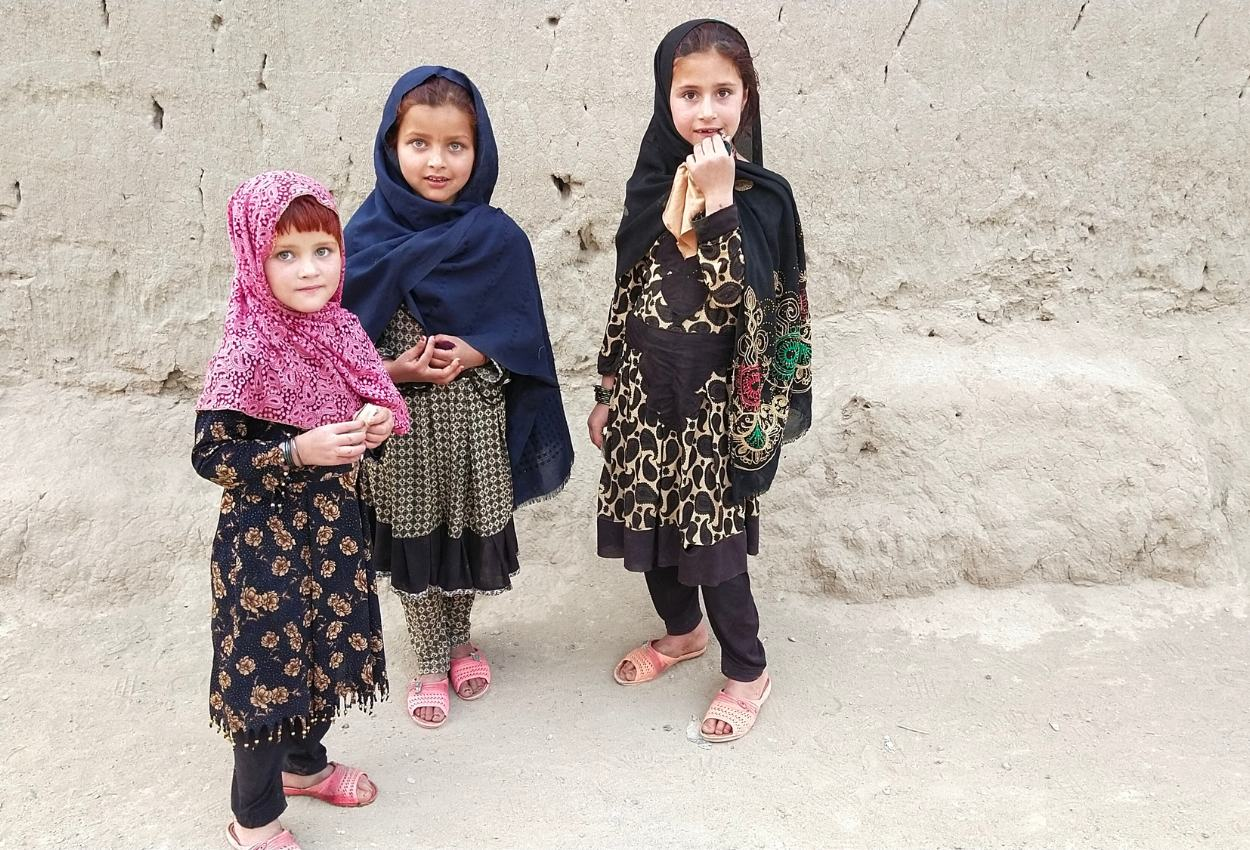
KABUL, Aug. 11, 2025 – One child is returning to Afghanistan from Iran or Pakistan roughly every 30 seconds, Save the Children warned Monday, as the war-torn nation struggles with deepening hunger, displacement, and aid shortfalls.
New analysis by the aid group, based on International Organization for Migration (IOM) figures, shows that more than 800,000 children have crossed back into Afghanistan this year — nearly double last year’s total. Around three-quarters came from Iran, many after authorities in both countries set deadlines for undocumented Afghans to leave.
The influx comes four years after the Taliban’s return to power triggered a mass exodus of Afghans seeking safety and livelihoods abroad. Many of the children arriving now were born in exile or spent most of their lives abroad, making Afghanistan feel like a foreign country.
Thousands are arriving without parents or guardians, often carrying only what they can hold in their arms. Aid workers say families are sleeping in parks and open spaces in major Afghan cities, unable to find housing or work.
‘Empty hands and broken hearts’
Omid*, 12, said he was pulled from his madrasa in Pakistan when his father rushed in to say they had to leave immediately.
“We packed fast and got in a big truck with others,” he said from a Save the Children transit centre. “It was hot. We had no food or water. I want us to find a house, go to school, and live a good life again. I want to feel safe and make something of myself.”
His father, Feroz*, said the family of 10 crossed into Afghanistan “with empty hands and broken hearts.”
“We Afghans are always on the move. But I did not want this life for my children,” he said. “We lost our home, our books, even our family photos. We only took clothes and important documents. The rest, we had to leave. It was like fleeing a fire.”
Before the current surge, nearly half of Afghanistan’s population already needed humanitarian aid and one in five children faced crisis-level hunger, the aid group noted.
Multiple crises converging
The country is also battling internal displacement caused by conflict and climate shocks. In the north, severe drought is withering crops and depleting water for both people and livestock.
“The scale and pace of people returning to Afghanistan right now is completely unprecedented,” said Samira Sayed Rahman, Save the Children’s advocacy director in Afghanistan. “About every 30 seconds, one child returns or is forced to return — the equivalent of a classroom full of children every 15 minutes.”
“Many of these children are exhausted, terrified, and unsure how they will survive in a country already grappling with severe hunger and poverty over the past four years,” she said. “Thousands are returning alone, without family or access to basic services.”
She warned that massive aid cuts this year have left humanitarian teams “overwhelmed by the sheer volume of need.” The crisis, she said, is “severely under resourced, underfunded, and overlooked — and it is children who will be paying the heaviest price.”
Appeal for safe, voluntary returns
Save the Children is urging regional governments to ensure returns are voluntary, safe, and dignified. Forcing or pressuring children to return — especially those without guardians — can expose them to exploitation, abuse, and neglect, the group said.
It also called on the international community to scale up funding for both immediate relief at the border and long-term support to help families rebuild in Afghanistan.
Since March, the group says it has assisted more than 150,000 children returning from abroad, providing health and nutrition services, cash assistance, and child protection programs. Plans are underway to expand operations to include a health clinic and nutrition services at the border, as well as mobile health teams in returnee-heavy areas like Herat.
Afghanistan remains one of the world’s most underfunded humanitarian emergencies. Without additional support, aid agencies warn, the forced migration of hundreds of thousands of children risks becoming a crisis within a crisis.
Names have been changed to protect identities.
This is an edited version of the report published by Save the Children on Aug. 11, 2025.