

Now Reading: Laos releases over 130 million lab-bred mosquitoes to combat dengue after record global surge
-
01
Laos releases over 130 million lab-bred mosquitoes to combat dengue after record global surge
Laos releases over 130 million lab-bred mosquitoes to combat dengue after record global surge
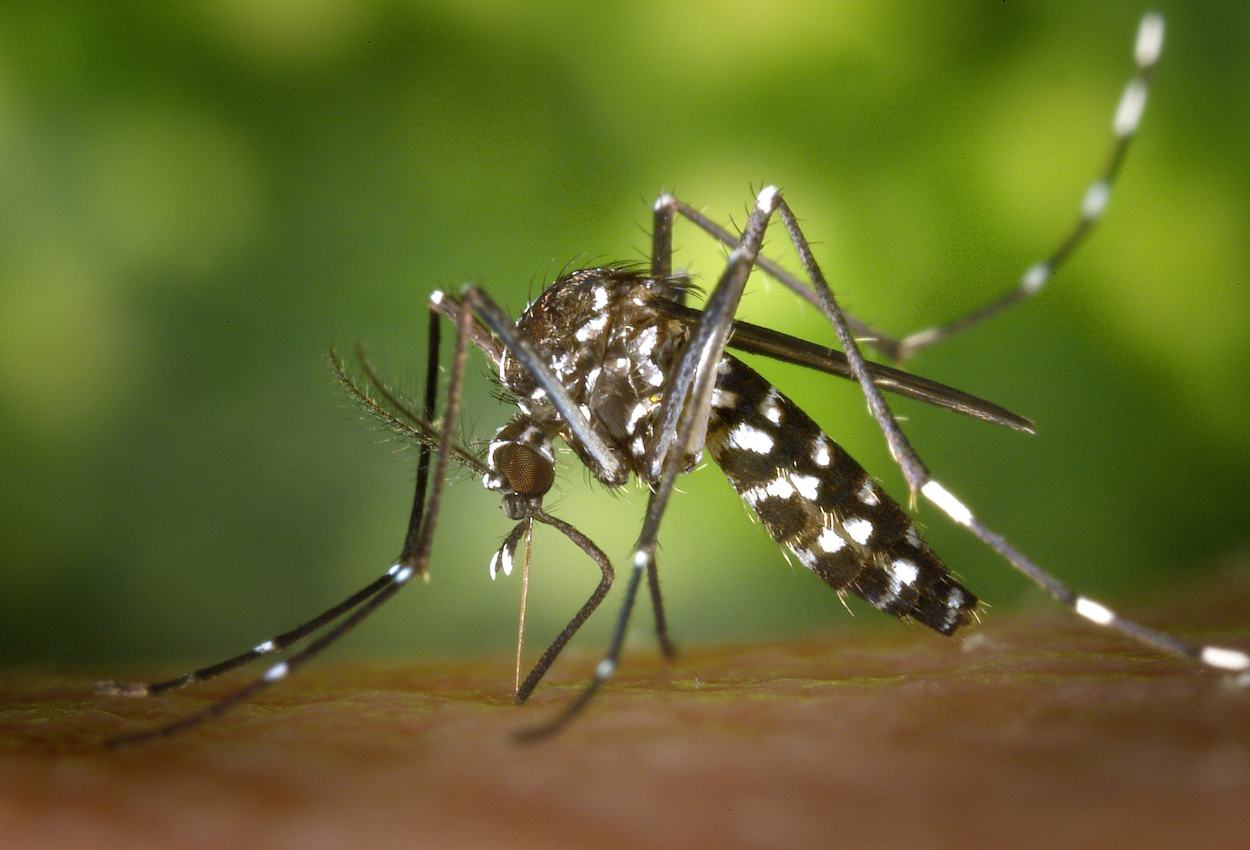
VIENTIANE — Laos has begun releasing more than 130 million lab-bred mosquitoes carrying a bacteria that reduces their ability to transmit deadly viruses, in an effort to curb dengue fever after a record-breaking global outbreak in 2024.
The mosquitoes, which carry naturally occurring Wolbachia bacteria, were released Tuesday in the capital, Vientiane, under a program run by the Ministry of Health, Save the Children International, and the World Mosquito Program, with support from Australia. The method has been shown to significantly reduce dengue transmission in other countries, including Brazil and Indonesia.
Global dengue cases surpassed 14.4 million in 2024 — more than double the previous record in 2023 — according to the World Health Organization. Children are particularly vulnerable to severe illness from the virus, which is also spread by Aedes aegypti mosquitoes and can cause Zika, chikungunya and yellow fever.
“This new innovation may be an effective way for us to control dengue disease,” Lao Health Minister Baikham Khatthiya said at the launch, calling for nationwide expansion of the project.
Australian Ambassador Megan Jones hailed the initiative as an example of “the power of innovation in tackling global health challenges,” noting the technology originated in Australia.
The release is part of a five-month rollout in Vientiane and marks the second phase of a program that aims to protect 1.2 million people across four provinces and the capital by 2028. A pilot in 2023 reached 86,000 people.
The mosquitoes are bred in Australia, grown to adulthood in a Vientiane lab, and released into communities from reusable cups. Over generations, the Wolbachia trait spreads through the wild mosquito population, reducing their capacity to transmit viruses.
Dengue is endemic in Laos, with more than 20,000 cases and 11 deaths reported in 2024. Warmer and wetter weather, coupled with urbanization, has fueled the disease’s spread. The WHO warns that 4 billion people are at risk globally, a figure expected to reach 5 billion by 2050.
Village health volunteer Siphat, 63, who was hospitalized for dengue, welcomed the initiative. “I think our community will get better, and our project should continuously improve and be promoted widely,” he said.
Field trials elsewhere have shown promising results. In Yogyakarta, Indonesia, dengue cases fell by 77% in treated areas compared with untreated neighborhoods, while parts of northern Queensland, Australia, have seen sustained reductions in transmission.
This is an edited version of the report published by Save the Children on Aug. 13, 2025.