


Now Reading: Australia urged to strengthen whistleblower protections through dedicated authority
-
01
Australia urged to strengthen whistleblower protections through dedicated authority
Australia urged to strengthen whistleblower protections through dedicated authority
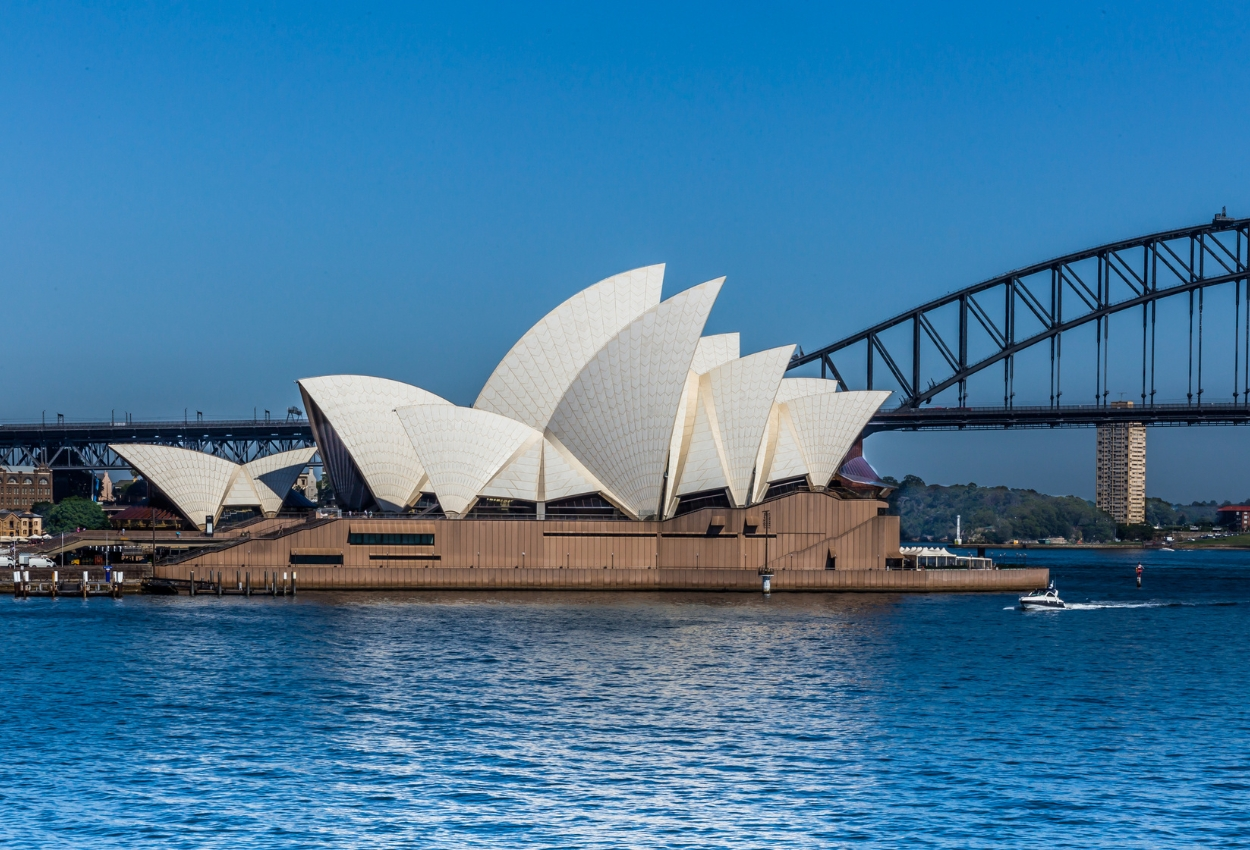
Human Rights Watch has called on the Australian government to establish a specialized agency that would protect whistleblowers from retaliation, citing longstanding gaps in the country’s legal safeguards for individuals who expose corruption and human rights abuses.
The recommendation was made in a formal submission to the Legal and Constitutional Affairs Legislation Committee of the Australian Senate, which is currently reviewing the proposed Whistleblower Protection Authority Bill 2025. If enacted, the legislation would create an independent body responsible for advising, supporting, and protecting whistleblowers, while also investigating cases of mistreatment and recommending civil penalties for those responsible.
“Public interest whistleblowers risk their jobs, reputations, and sometimes even their personal safety to expose corruption and human rights abuses,” said Annabel Hennessy, Australia researcher at Human Rights Watch. “Creating a Whistleblower Protection Authority would be an important step toward providing whistleblowers in Australia with the legal protections they need.”
Human Rights Watch said current Australian laws have largely failed to shield whistleblowers from workplace reprisals. Despite data showing that 80 percent of whistleblowers experience retaliation, there has been only one successful court case awarding compensation in more than 30 years.
The final report from the Senate committee is expected on August 29, 2025.
International voices have also echoed concerns. In 2021, United Nations Special Rapporteur on the situation of human rights defenders, Mary Lawlor, warned that whistleblowers around the world often face significant threats with little to no protection. She called on governments to strengthen safeguards to protect individuals exposing misconduct.
“Human Rights Watch and other rights groups have long called for Australia to introduce stronger protections for journalists, rights advocates, lawyers, and whistleblowers,” Hennessy said. “The Whistleblower Protection Authority Bill would offer critical safeguards for those acting in the public interest.”
This is an edited version of the report originally published on Human Rights Watch.