



Now Reading: HRW says Russia’s internet control deepens isolation, rights violations
-
01
HRW says Russia’s internet control deepens isolation, rights violations
HRW says Russia’s internet control deepens isolation, rights violations
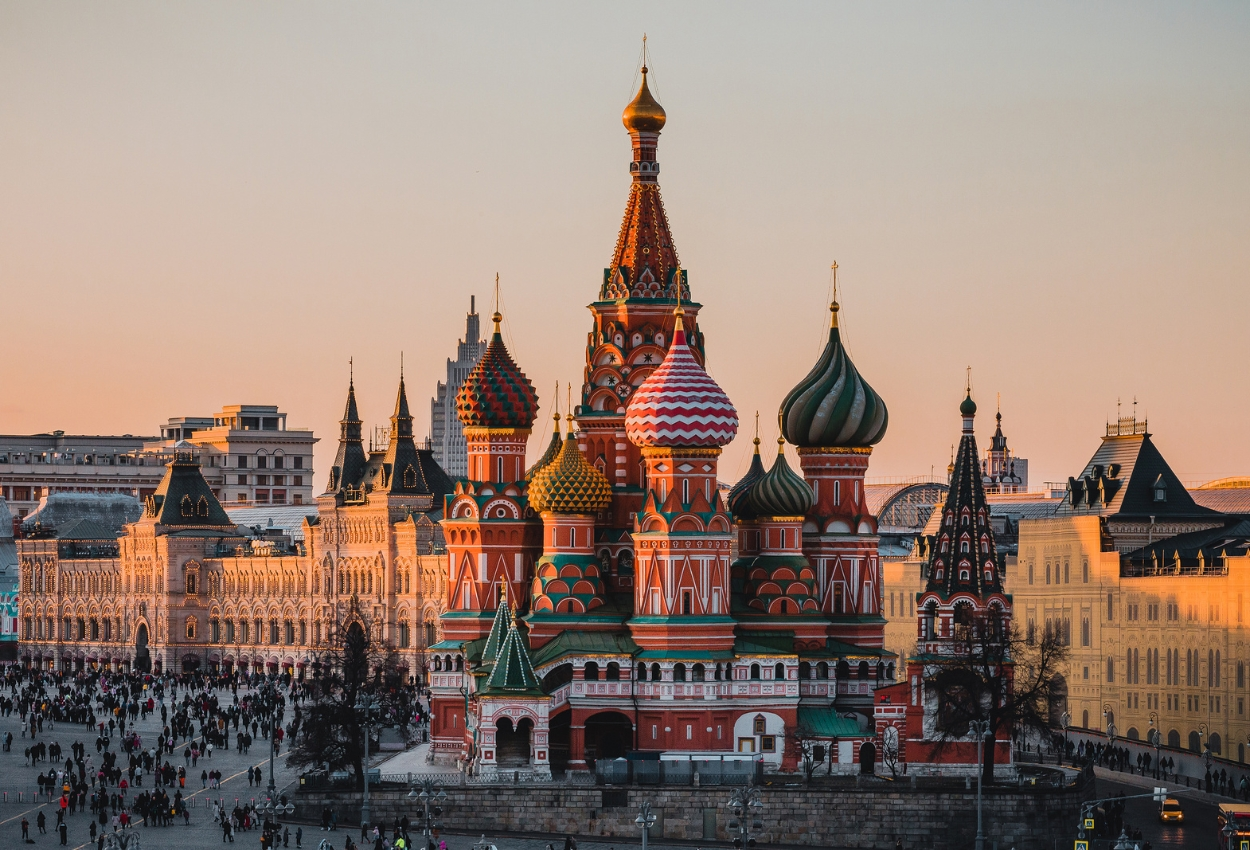
Russia has intensified online censorship, internet disruptions and surveillance since launching its full-scale invasion of Ukraine in 2022, creating an increasingly isolated and tightly controlled digital space, Human Rights Watch said Wednesday.
In a 50-page report titled “Disrupted, Throttled, and Blocked”, the rights group said authorities have expanded legal and technical tools to block websites, throttle content, and shut down internet access under the guise of national security. Independent media, human rights groups, opposition politicians and social media platforms are among thousands of sites now inaccessible without Virtual Private Networks (VPNs) – tools that are themselves increasingly targeted.
“For years, Russian authorities have been meticulously expanding their legal and technological tools to carve out Russia’s section of the internet into a tightly controlled and isolated forum,” said Anastasiia Kruope, HRW’s assistant Europe and Central Asia researcher.
The group said Moscow’s “sovereign internet” law requires providers to install state-controlled filtering equipment, enabling regional shutdowns and “isolation drills” that have disrupted online banking, state services and apps. Control over internet architecture has been consolidated, with more than half of Russia’s IP addresses in the hands of seven state-linked providers and a national domain system in place.
Foreign platforms including Apple, Amazon Web Services and Mozilla told HRW they comply with legal obligations while seeking to maintain services for Russian users. Content delivery network provider Cloudflare said it had not blocked websites at Moscow’s request but faces government pressure.
State-promoted browsers and social networks have replaced many foreign services, exposing users to propaganda and increased risks of personal data being shared with law enforcement. HRW warned these measures violate Russia’s obligations under international law to protect free expression, access to information and privacy.
The group urged Moscow to end politically motivated censorship and shutdowns, stop pressuring tech firms, and dismantle infrastructure designed to isolate the Russian internet. It also called on foreign governments and companies to support circumvention tools and resist unlawful censorship orders.
“Seemingly invisible steps have devastating implications for access to information, privacy, and freedom of expression of every internet user in Russia,” Kruope said.
This is an edited version of the report published by Human Rights Watch on July 30, 2025.